

Access Is Opportunity: The Story Behind BelieveNBooks
“Why is your luggage always so heavy?” my mom asks, struggling to lift the suitcase I have packed for our 3-day trip. She should know by now that it’s always the same answer — too many books. For a long time, I believed I was a bibliophile, someone who loves collecting and reading books. Then, I thought that I could be a lectiophile, someone who loves to read all types of print, including novels, magazines, playscripts, and even recipes. Although I may be both of those things, I now know that I am most accurately defined by abibliophobia, the fear of running out of reading materials, which is clearly in full force with my packing habits. And since I love paper reading materials, my suitcase is always brimming with too many books for one trip.
My abibliophobia crept in further during the COVID-19 pandemic as reading became a larger part of my life. Although I could not leave my house, my mind could travel anywhere through a great story. It was during this time that I began seeing news coverage about a lack of access to reading materials for many children across the country. While my bookshelf was brimming with my favorite titles and many unread adventures, thousands of kids in my community did not have even one book to read. I could not believe this disconnect and wanted to learn more about this issue. As found in a study conducted by Susan Neuman and Donna Celano, a child’s educational success is most directly attributed to the number of books at their home and being read to outside of school.As found in a study conducted by Susan Neuman and Donna Celano, a child’s educational success is most directly attributed to the number of books at their home and being read to outside of school. According to NPR, a child being raised in a low-income family hears about 30 million less words than a child being raised in a middle or high-income family does by the time they are three years old. Furthermore, preschool students from low-income families have fewer home and language opportunities, leading them to lag behind in reading achievement in their school years and become more prone to cognitive and mental disorders. With 20% of children in Florida alone falling below the poverty line (ABC Action Rate), I knew it was time to start making a difference.
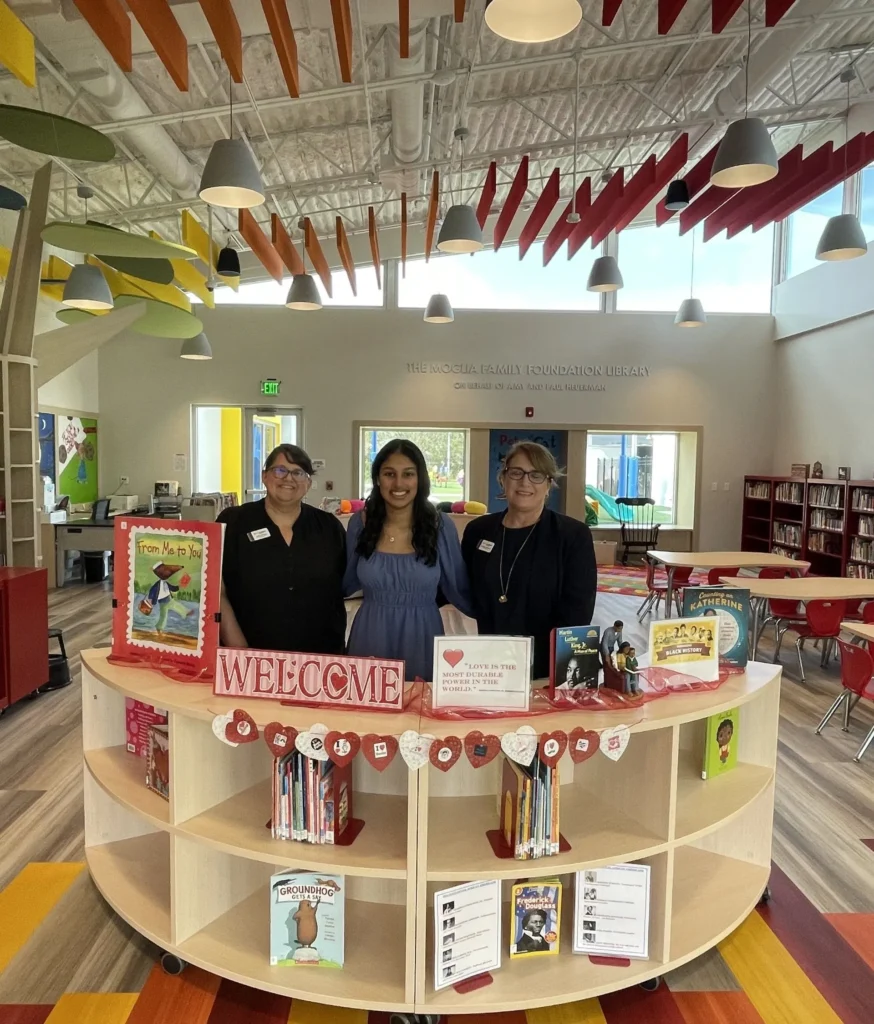
I began thinking about how the books sitting on my shelves could benefit other kids. This led me to hold my very first book drive at my school. The students, families, and faculty unexpectedly brought in over 3,000 children’s books, most of which were gently used and in great condition. We shared these books with The Guadalupe Center, an early childhood learning center in Immokalee, Florida. Those working at the Guadalupe Center were able to stock the Center’s library and felt that we had met an unfulfilled need, leading to the creation of BelieveNBooks nonprofit organization. Now, we are able to hold year-round book drives and continue to sort, pack, and distribute books to organizations working with the most vulnerable children in our community. We have started more chapters across The United States in New York, California, Georgia, and Pennsylvania.
But our work extends beyond book distribution. A year into hosting book drives, I learned of another community struggle. Even though children now had reading materials, many of them lived in non-English speaking homes where read aloud time was low. They could not make full use of the books provided. Inspired, I designed PageTurner, a read-aloud initiative entailing distribution of both physical books and corresponding YouTube read-aloud videos.
These videos are led by Natasha and her peers, fostering English language development during the critical early-childhood window. PageTurner gives children the opportunity to build home libraries and practice literacy skills independently, even without adult assistance. Through this program, she has shared 25,000 books and significantly improved Kindergarten readiness. 80% of parents and educators hope to see new content in 2026, and there is a waitlist of organizations ready to become Pageturner recipients.
In 2024, I began thinking about global impact. When researching and talking with community leaders, I learned that children in Africa are still constrained by the opportunity gap today due to a lack of resources and exposure. This disparity disproportionately affects girls, who are often pulled out of school due to poverty, a need to enter the workforce, child marriage, and even gender stigmas. Their exposure to opportunities is often so limited that they cannot envision lives different from the ones they live. I also discovered success stories: the fearless, resilient women who overcame adversity and challenged stereotypes to achieve their goals. I decided to compile and share the stories of 21 African-born female pioneers in Tales of African Women Trailblazers.
With the help of featured trailblazer Nana Ama Brown Klutse (Director of Ghana’s EPA) and several African NGOs, Natasha have been able to distribute 10,000 initial copies to students across the continent (Ghana, Liberia, Uganda, Kenya, and Rwanda) free of cost. The book is now published and available on Amazon and Barnes & Noble, with 100% of proceeds going towards distribution. In addition, a free pdf of the entire book is available on the BelieveNBooks website, and our distribution efforts are ongoing. By learning about women who have been in their shoes, she hopes that African youth of every background, village, and wish will realize their full potential and the many opportunities awaiting them.
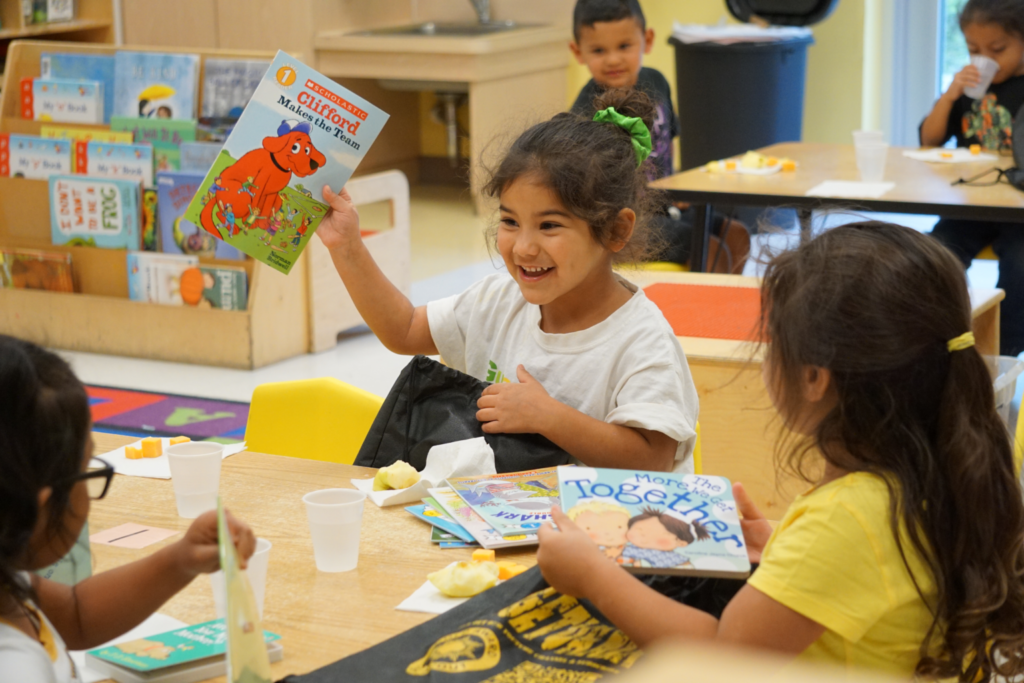
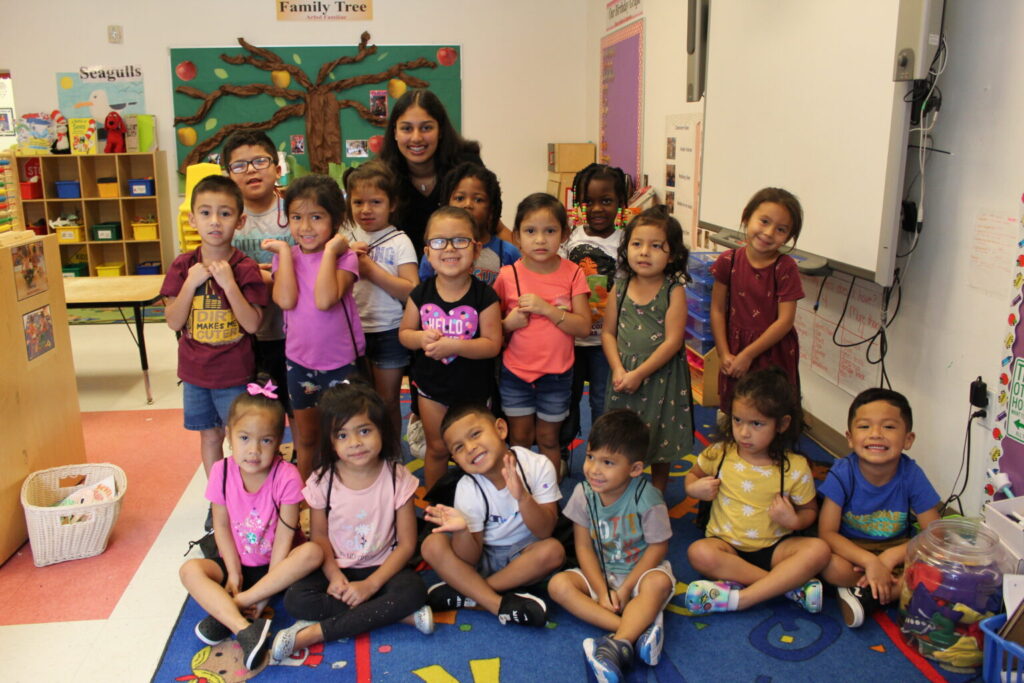
With the help of college students, community organizations, and nonprofit experts who support our goals, we have opened 25 chapters of BelieveNBooks and donated 125,000 books to over 45,000 children. It is my hope that these efforts will instill a love of learning for the children we serve and improve their lives in every arena. And we are just getting started- follow our progress to see what is next!