

Walking With the Community: Safaa in Douar Agouni
My service as a Community Volunteer with CorpsAfrica Maroc in Douar Agouni, Al Haouz, unfolded during a period when the community was still living with the consequences of the earthquake. Beyond the visible damage to homes and infrastructure, daily life was shaped by uncertainty, disrupted routines, and long-standing challenges that had become more severe after the disaster. Entering this context required patience, humility, and a willingness to listen before acting.
In the early months of my service, I focused on building trust through continuous presence and dialogue. I spent time with families, elders, women, and children, learning from their experiences and understanding their priorities. This long process of community engagement revealed that inadequate wastewater management was one of the most pressing issues affecting health and dignity. The lack of a proper sewage system created sanitation risks and environmental concerns that impacted everyone, particularly children.
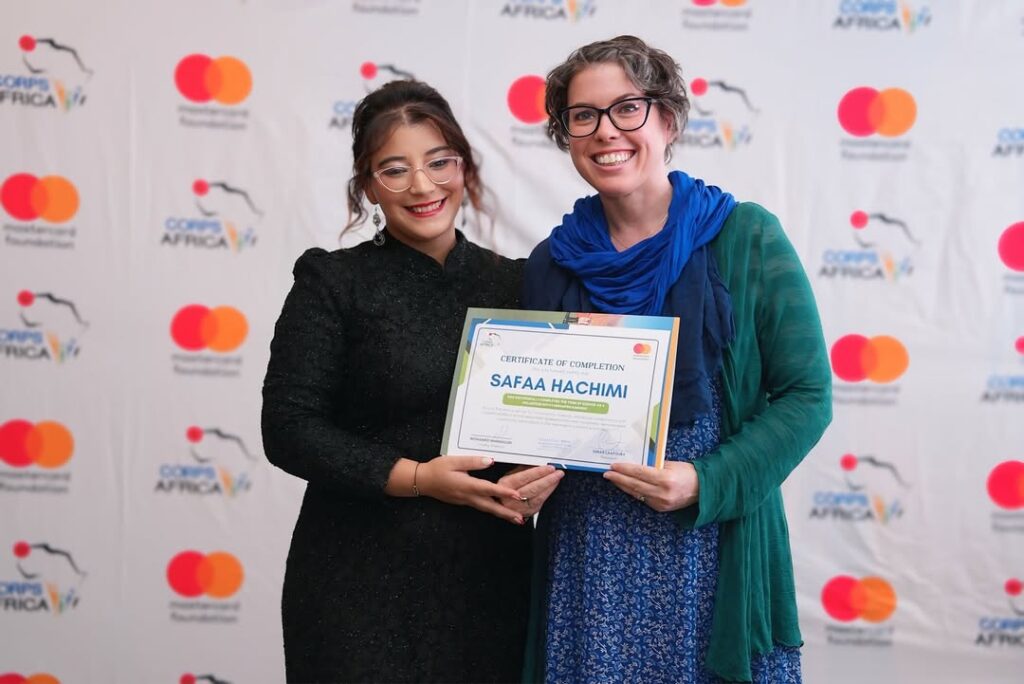
After sustained consultation and collective planning, the community-led initiative to modernize the wastewater infrastructure was developed. The project involved mapping drainage routes with residents who knew the land intimately, installing underground pipelines, and constructing a main wastewater collection system. Local materials were used to reduce costs and strengthen ownership, and community members were involved throughout the process. Residents were also trained in basic maintenance, and a monitoring plan was put in place to support long-term functionality. This initiative significantly improved sanitation conditions, reduced exposure to disease, and contributed to a healthier living environment.
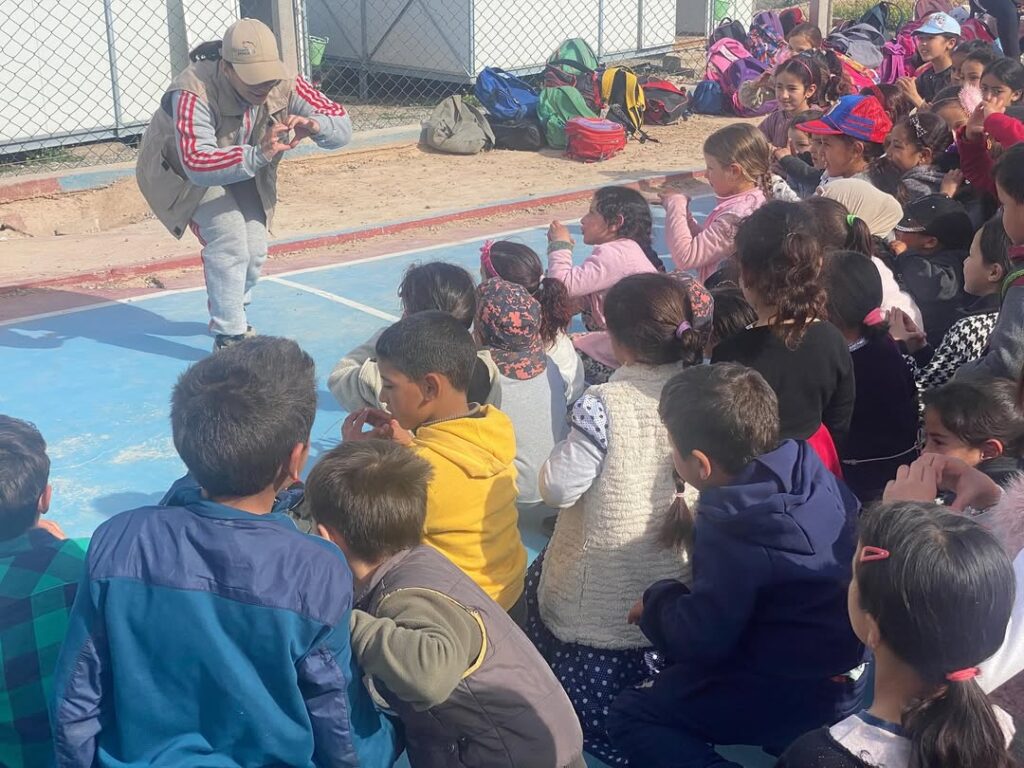
Alongside this infrastructure project, some of the most meaningful moments of my service came from working with children and women. Children, in particular, brought warmth and light into a context marked by hardship. Through educational and recreational activities, I worked to create safe spaces where children could learn, play, and momentarily step away from the weight of their surroundings. Their smiles, curiosity, and energy became a daily source of motivation for me. Even on difficult days, being welcomed by their laughter reminded me of the importance of protecting childhood and restoring a sense of normalcy.
Equally impactful were the literacy classes I supported for women in the community. Many of the women had never had the opportunity to attend school, and returning to learning required courage and determination. These classes were not only about reading and writing, but about confidence, voice, and self-worth. One of the most powerful moments of my entire service was watching women write their first letters. What might seem like a small achievement carried immense meaning—it represented access, empowerment, and the opening of new possibilities. Those sessions became my favorite moments, filled with pride, emotion, and shared celebration.
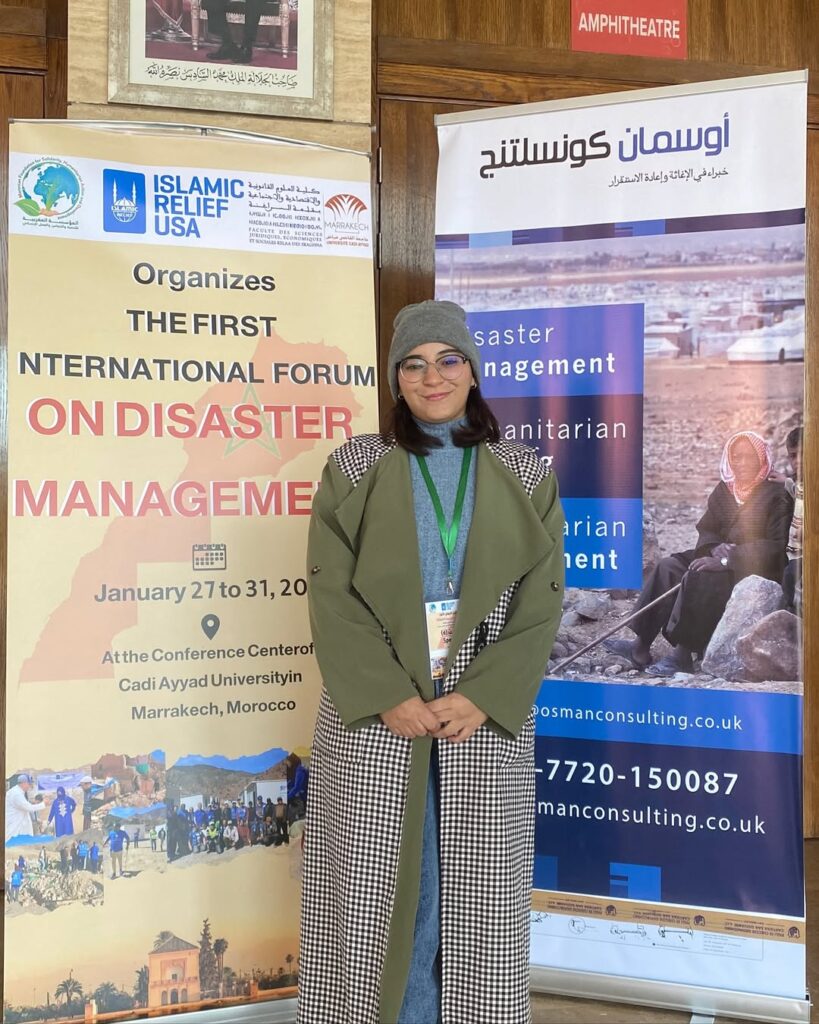
These activities with children and women complemented the wastewater project by addressing social and educational needs alongside infrastructure. Together, they reflected a holistic approach to community development—one that recognizes that health, education, and dignity are deeply interconnected.
What drives me is a strong belief in community-led change. With a background in social development, child protection, and psychosocial support, I am motivated by moments when people reclaim agency over their lives. My role has never been to lead from above, but to walk alongside communities, support their initiatives, and help transform shared challenges into collective solutions.
The experience in Douar Agouni taught me that impact is built slowly, through trust, consistency, and genuine relationships. From improving sanitation, to witnessing children’s joy, to sharing the pride of women writing their first letters, this journey reaffirmed why I chose this path. It strengthened my commitment to serving communities with respect, empathy, and a long-term vision rooted in dignity and resilience.