

Roots and Resilience: How Sandy Khanda Turned Trauma into Change
Sandy Khanda’s journey is one of resilience, purpose, and an unwavering commitment to building a better society. A road trauma survivor, social and climate activist, and someone deeply rooted in farming, his story reflects how personal adversity can be transformed into collective impact.
Born in a modest farming family in the village of Khanda in Haryana, Sandy grew up closely connected to the land. Farming was not just a livelihood—it was a way of life that instilled in him patience, discipline, and a deep respect for nature. However, like many rural families, he witnessed firsthand the challenges of inequality, limited access to healthcare, and the silent struggles around issues like menstrual health and environmental degradation.
A turning point in his life came when he survived a severe road trauma. This life-altering experience became more than just a moment of survival—it became a moment of awakening. Facing physical and emotional challenges during recovery, Sandy realized the fragility of life and the urgency to live with purpose. Instead of allowing the trauma to define him, he chose to let it refine him. It ignited within him a strong desire to create meaningful change, not just for himself but for others facing unseen battles.
After moving to Delhi for higher education, Sandy was exposed to the stark contrast between rural and urban realities. While cities offered opportunities, they also revealed new challenges—rising air pollution, waste mismanagement, and a growing disconnect between people and sustainable living practices. This dual exposure shaped his understanding of social and environmental issues as interconnected challenges that required grassroots solutions.
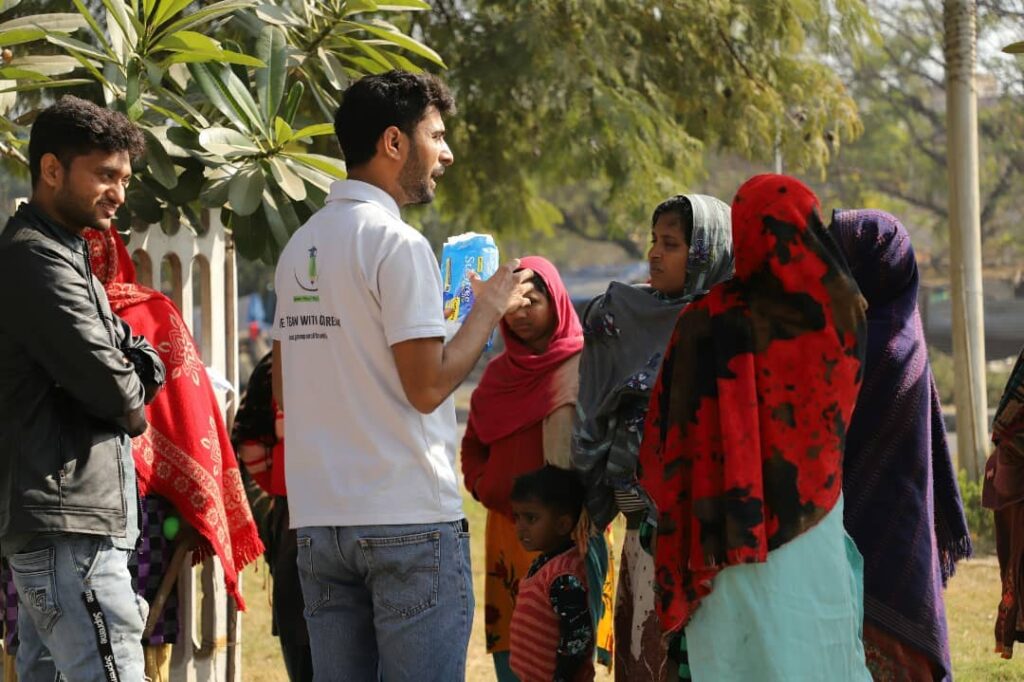
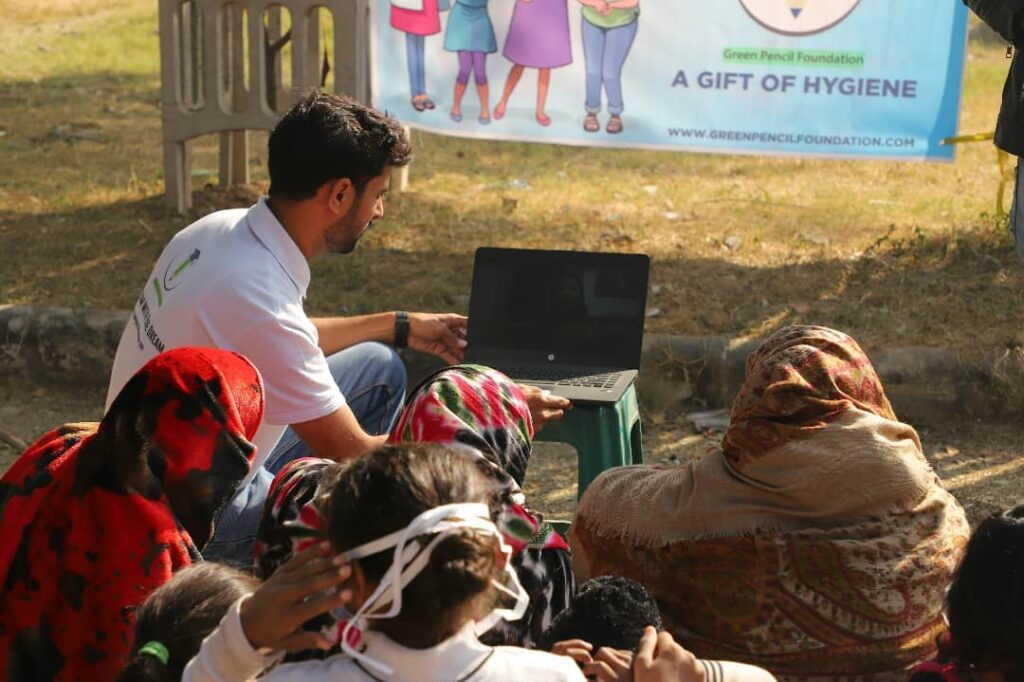
Driven by this vision, Sandy founded the Green Pencil Foundation, a platform dedicated to addressing critical issues such as climate change, women’s health, and sustainable development. Through initiatives like “Periods of Pride,” he has worked to break the stigma around menstrual health, reaching young girls and boys in schools and underserved communities with awareness and access to hygiene resources. His work has empowered many to speak openly about a topic often silenced by society.
Through climate-focused initiatives like “Freedom From Pollution” and “Climate Chaupal,” Sandy has mobilized communities to adopt sustainable practices, engage in conversations around conservation, and take ownership of their environment. From workshops in schools and colleges to large-scale clean-up drives and sustainability campaigns, his efforts have impacted thousands of individuals, inspiring them to make conscious choices in their daily lives.
What sets Sandy apart is his ability to connect his roots in farming with modern sustainability practices. He understands that farmers are among the first to experience the effects of climate change, and he advocates for solutions that are both environmentally responsible and economically viable. His perspective bridges the gap between traditional knowledge and contemporary climate action.
Sandy’s motivation comes from his lived experiencesthe struggles he has witnessed, the trauma he has overcome, and the hope he continues to carry. He believes that real change begins at the grassroots level, through awareness, education, and collective action. His journey is not just about personal growth but about empowering others to become changemakers in their own communities.
Today, as a social and climate activist, Sandy Khanda stands as a symbol of resilience and impact. His story reminds us that even in the face of adversity, one individual’s determination can create ripples of change that touch countless lives.