When a Woman Changes Her Destiny, She Changes Generations
By Michelle Hemeryth, Founder of Wania Power and Peace First Development Grantee
“My name is Michelle, I am a lawyer, activist, and artist.” It’s an introduction I almost always say without thinking too much about it. For years I believed it was a simple phrase. But over time I understood that, for many women, having the freedom to name themselves that way was never something obvious.
For me, arriving at identifying with those words was a natural journey. From a young age I grew up believing I could truly become whatever I wanted. At four years old, in the same dream, it was possible to be a doctor and a teacher, like my parents. However, this path was this way for me because other women made it possible before me.
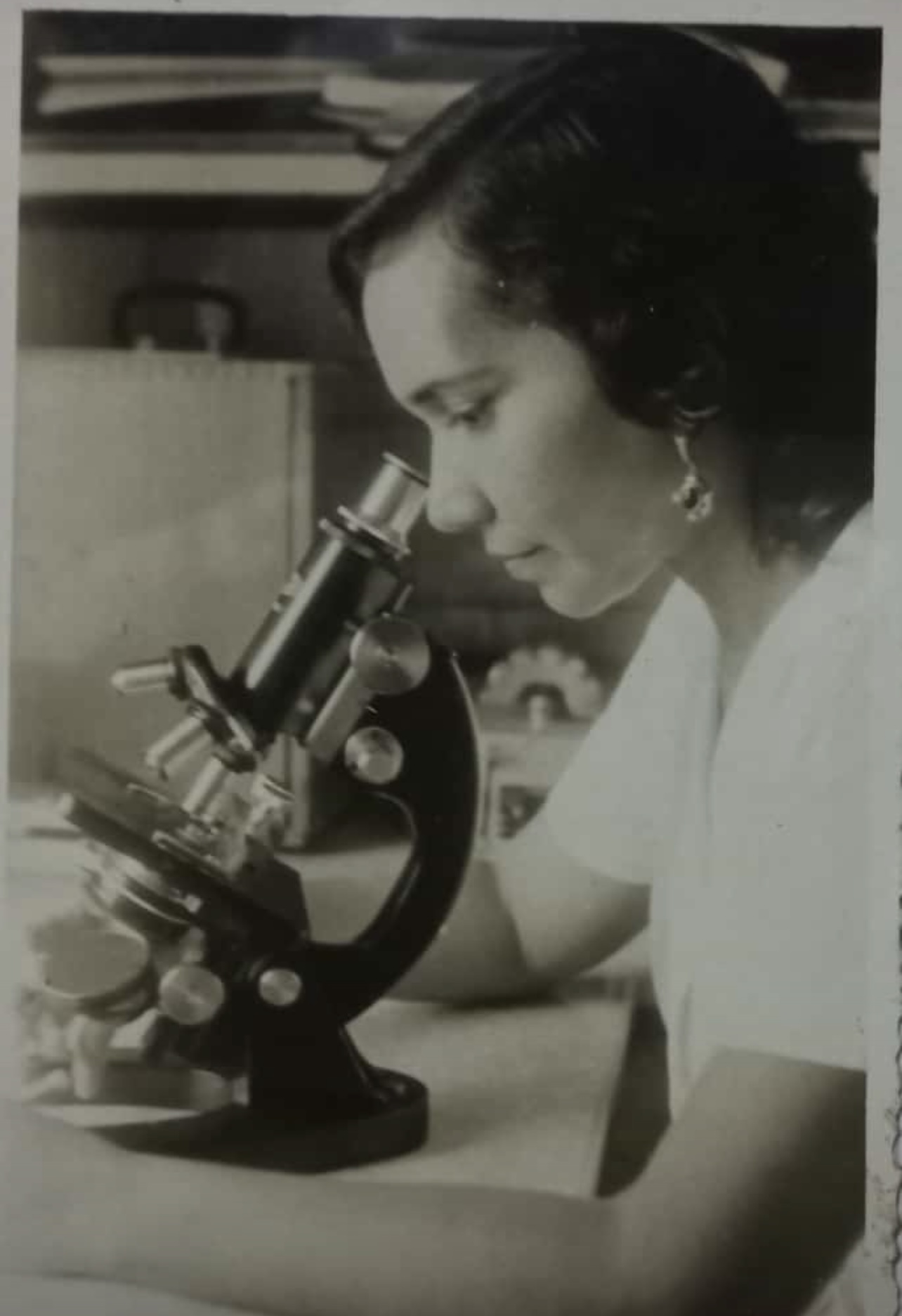
My maternal grandmother was the first professional woman in a family of eight siblings. I would like to say she simply decided to study and succeeded, but the story was not that simple. From the moment she was born she faced rejection. Her father, disappointed at having a fifth daughter, did not even want to register her in the records. Years later, saying she wanted to become a teacher was considered a family scandal. Her older sisters followed the destiny that already seemed written for them: dedicating themselves to the home. But my grandmother imagined a different life for herself. Her family turned their backs on her and took away the few “privileges” she had. Even so, she decided to continue. She sold fruits from the Amazon, cleaned a store, and did everything possible to pay for her higher schooling and buy her supplies. Little by little, with tremendous effort, and finally with the support of her brothers, she managed to become a teacher.
But the contrast between her story and mine is not limited solely to access to education. For as long as I can remember, my father always made music a safe refuge for me — he taught me to sing from age three, and when I wanted to learn an instrument at fourteen, he enrolled me in guitar lessons. A couple of years later, he gave me a ukulele; he never made me feel that art was a forbidden space for a woman. My grandmother, on the other hand, had to watch as they destroyed what also fed her soul. She had an old guitar she played in her free time. One day, her father broke it because he believed a woman should not make art when there was a home to tend to.
When I was a child, the dynamic at my grandparents’ house never seemed extraordinary to me because it was what I knew. They both shared household chores and my grandmother always occupied important spaces outside the home. My parents also built a home where a power dynamic based on gender never existed. I never felt that there were different dreams for men and women, especially because my mother always repeated to me that “the sky is the limit.” I grew up watching my mother work, lead, and mother, without ceasing to be a deeply sensitive and human woman. And I believe that, in large part, was also possible because my father was raised by a woman ahead of her time: a researcher with her own voice within her home.
Over time I understood that growing up surrounded by those role models, being a woman and living in the Peruvian Amazon, was actually an enormous privilege.
In Loreto, the region I come from, gender inequality remains one of the deepest obstacles for thousands of girls and women. Many are taught from a young age that certain spaces were not made for them. That the only place where they truly fit is the home. That finishing only primary school or part of secondary school is enough, because an illiterate woman could not properly care for a house — but an overly educated one would be a waste. That becoming a mother during adolescence is normal. That leaving home to be with an older man is also normal, especially when poverty turns “one less mouth to feed” into a relief for the family. That enduring physical, psychological, or economic violence is part of life as a couple.
Sometimes I feel that, for many women here, time has stood still. As if we still survived within structures where the only valuable role we can occupy is that of mothers and housewives — even when the home itself often ceases to be a safe place for us.
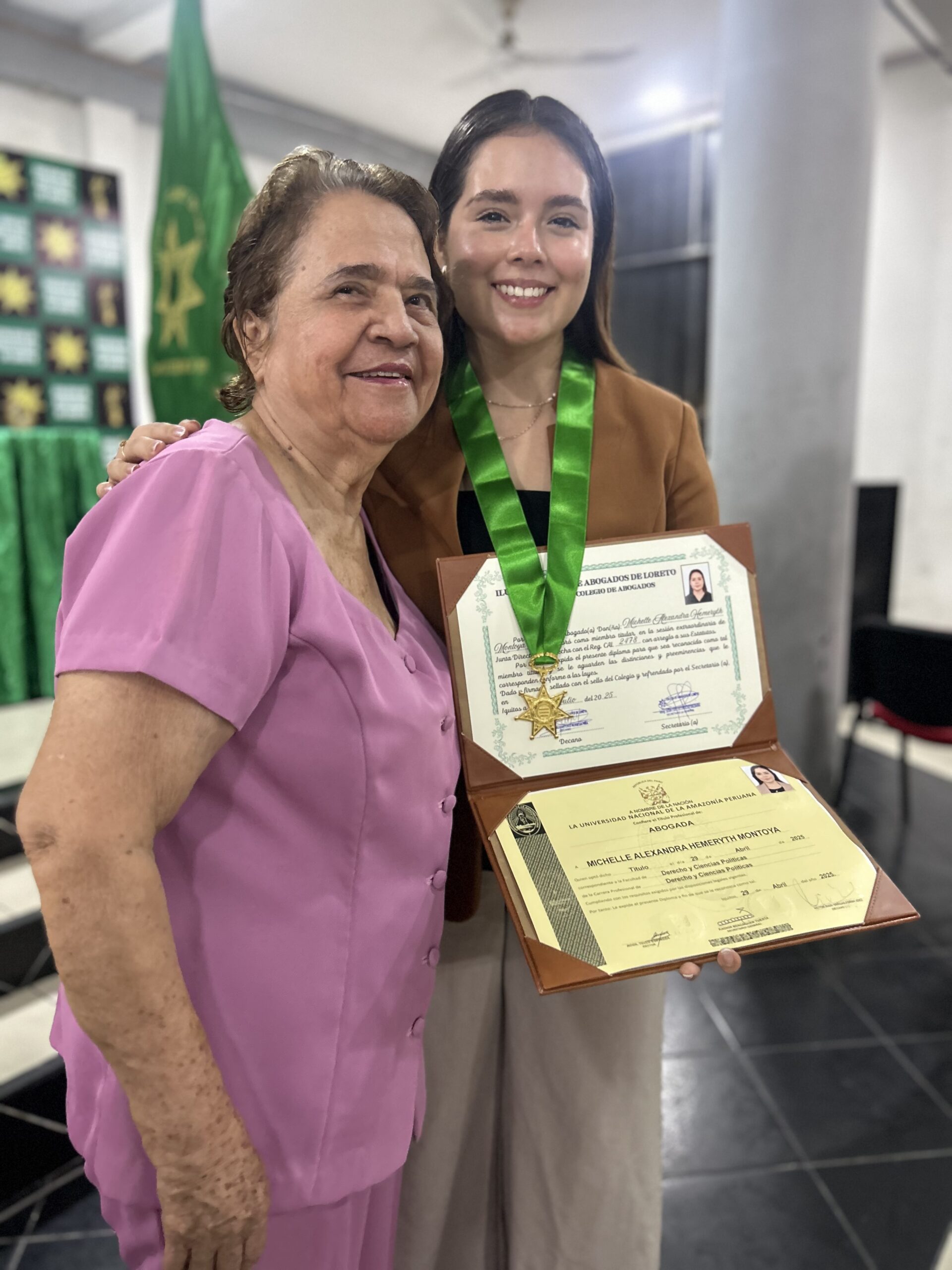
It was from that reality that I decided to study Law. I believed, and still believe, in the power of laws as tools for social transformation. But when I finished my degree I understood something important: although change can be driven from institutions, it can also be sown from within the territory itself.
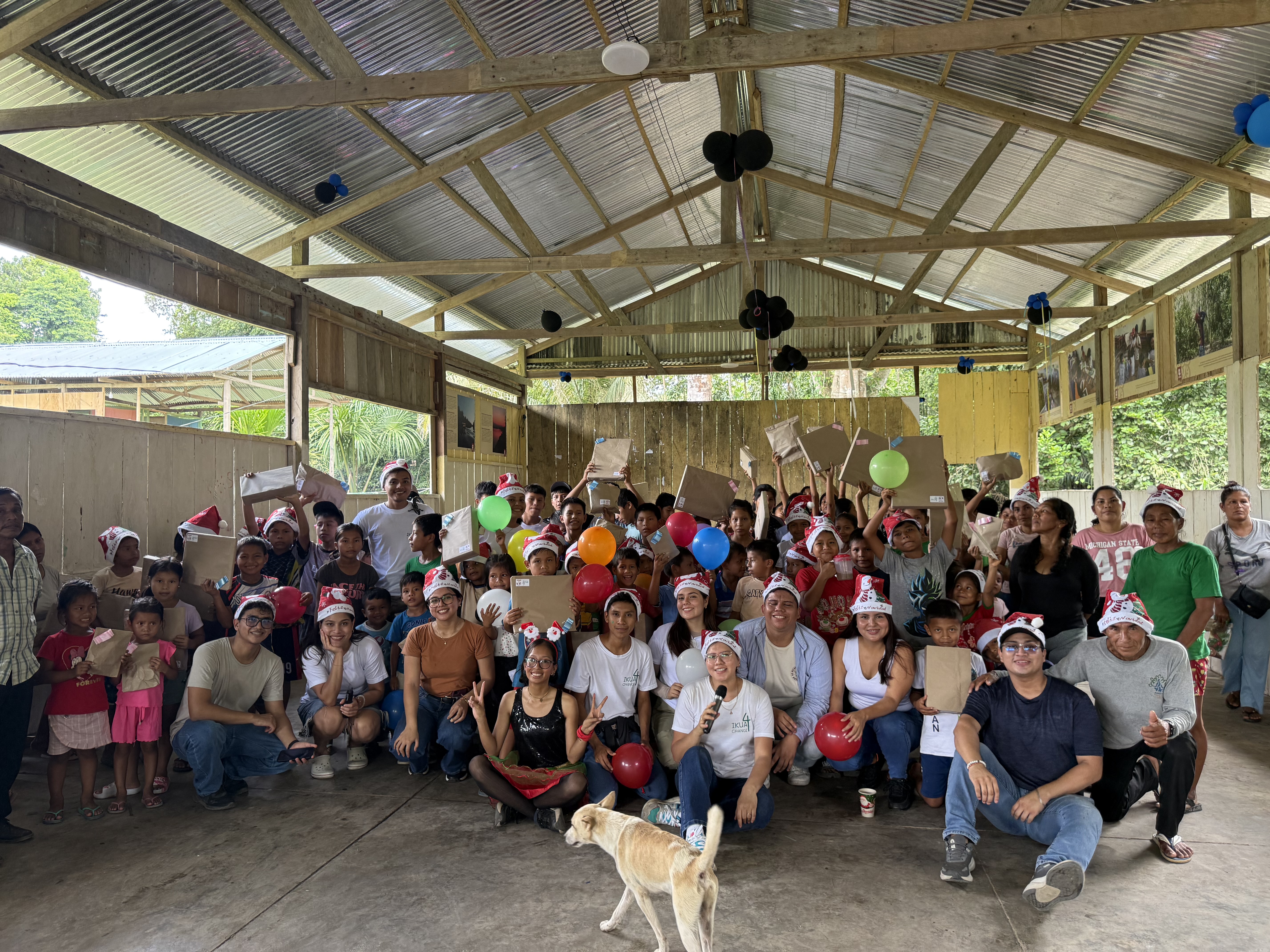
That reflection led me to Ikua4Change, a youth organization whose focus on education connected deeply with my ideals. And since activism inevitably forces you to look at the world more carefully, over time I understood that gender equity cannot be built solely from classrooms. Yes, we need boys and girls to grow up with the same educational opportunities and tools. But the impact will always be deeper when that equality also exists within their homes. Because when a woman manages to become the protagonist of her own life, the effect multiplies. Empowering a mother does not transform just one person. It can transform the complete structure of a family and alter the destiny of an entire community.
That is how the idea of “Waina Power” was born — a project that seeks to become the engine of a generational transformation alongside women from Amazonian communities, betting on education, leadership, and autonomy.
There is so much to do, of that there is no doubt. Changing mindsets built over generations will never be simple. But I also know something more: my grandmothers, from the spaces they inhabited and with the tools they had, managed to change the destiny of the generations that came after them. Thanks to their courage, they rewrote my destiny — making me the owner of my own life and gifting me the ability to dream without limits. Today I can define myself as “lawyer, activist, and artist” without feeling I must choose only one version of myself. And I understand that change often begins this way: when a woman finally manages to live the life that another could not.