

Turning Empathy Into Action: How Joshua Is Building Community-Driven Change in Nigeria
My journey into sustainable development advocacy in Nigeria is shaped by personal encounters with inequality and a strong conviction that development must be people-centered, inclusive, and practical. Growing up and engaging with communities across different parts of the country, I witnessed how systemic neglect, poverty, and limited access to basic services continue to affect millions. These experiences did more than shape my worldview; they compelled me to act.
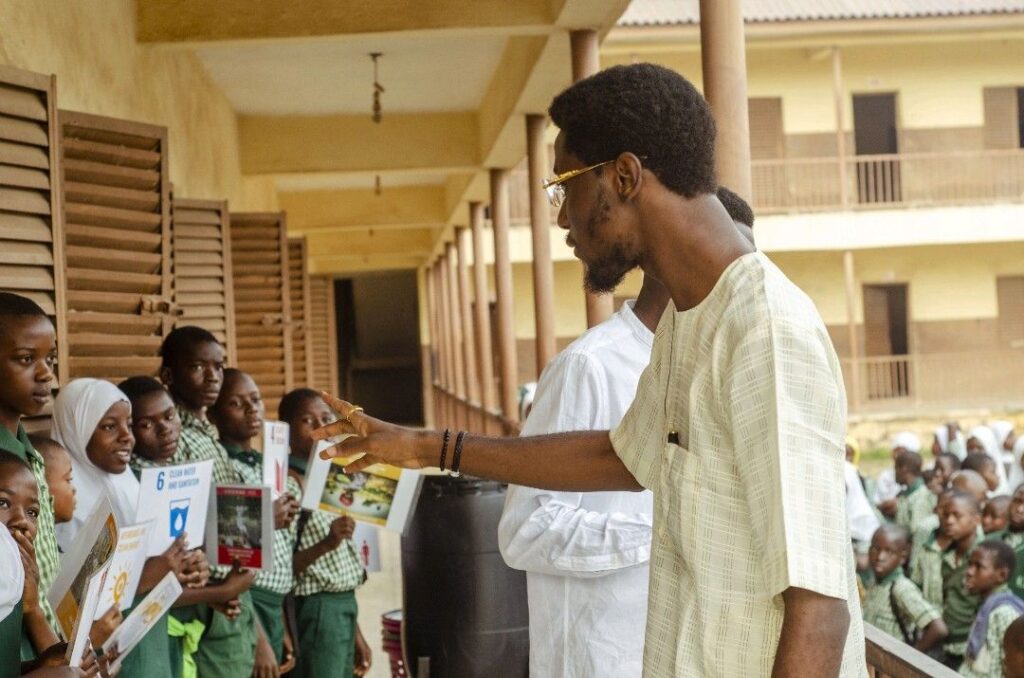
This commitment led to the founding of the Community Aids and Social Empathy Initiative (iCASE), a non-profit organization focused on advancing social equity by addressing gaps in access to education, water, and sanitation for marginalized communities. As Lead Director, I work with a small but dedicated team to design and implement community-driven interventions that respond directly to local needs. Our approach is simple and intentional: listen to communities, co-create solutions with them, and prioritize sustainability beyond short-term relief.
One of the most impactful areas of my work has been improving access to learning opportunities for indigent youth. In underserved communities, young people face barriers such as lack of digital tools, inadequate learning environments, and limited exposure to opportunities.
Through iCASE, we have facilitated digital inclusion initiatives, distributed learning materials, and supported educational programs that empower students from low-income households to remain in school and aspire beyond their circumstances. Witnessing increased confidence and academic improvement among these young people remains one of the most rewarding aspects of my work.
In addition to education, iCASE has made meaningful strides in improving access to clean water and sanitation. For many communities, unsafe water sources and poor sanitation are daily threats to health and dignity. By collaborating with community leaders and local stakeholders, we have supported the provision and rehabilitation of water and sanitation facilities that directly benefit thousands of Nigerians. To date, we have successfully implemented over ten WASH projects across communities and schools.
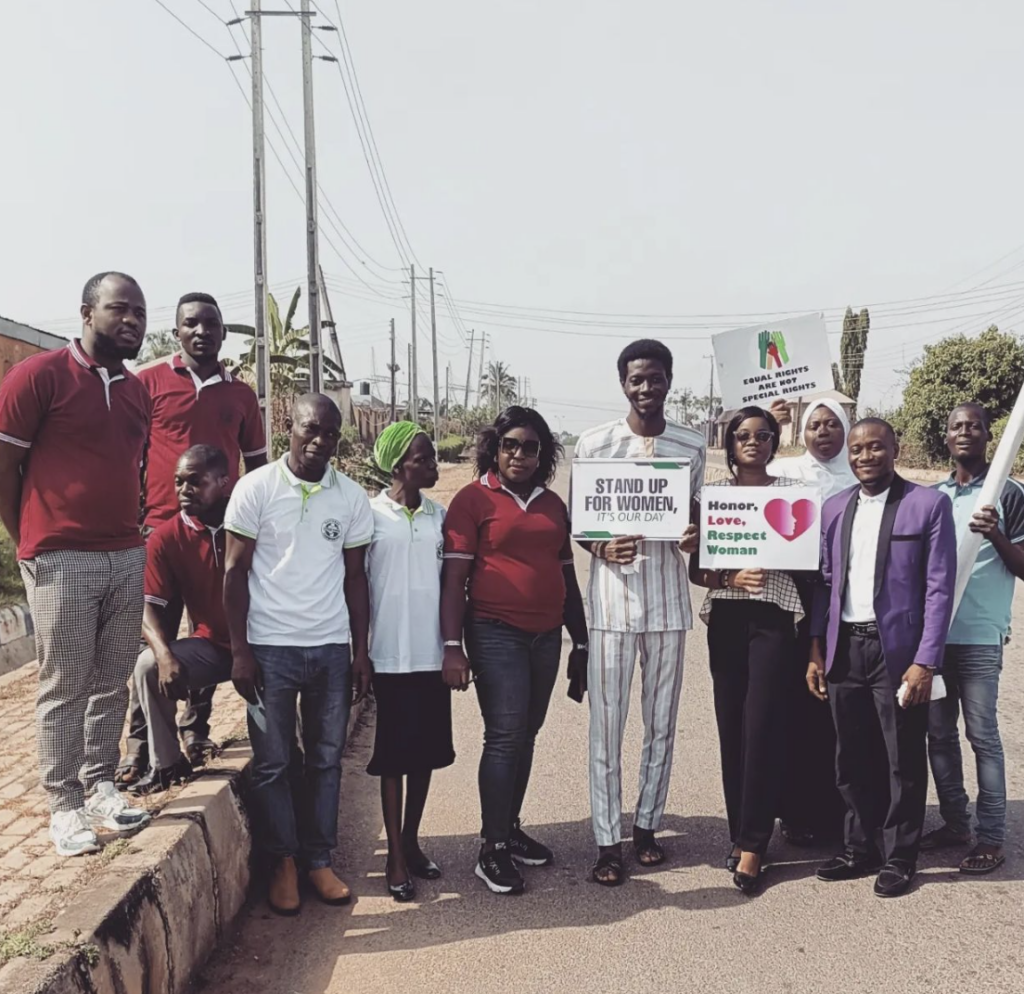
Beyond project implementation, my advocacy extends to promoting social justice, civic responsibility, and sustainable development through youth networks and civil society platforms. I strongly believe that sustainable change requires both grassroots action and informed advocacy rooted in accountability, empathy, and inclusive governance.
My work has been recognized through my selection as a two-time Peace First Mini-Grantee, an experience that strengthened my leadership skills and reaffirmed the power of youth-led solutions. These grants enabled me to scale community projects and refine my approach to ethical, community-centered leadership.
Ultimately, I am motivated by a deep sense of responsibility to communities whose voices are often excluded from development conversations. I remain committed to contributing my skills and leadership toward equitable, inclusive, and lasting solutions, working toward a future where access to education, clean water, and basic opportunities is a right enjoyed by all, not a privilege for a few.