

Turning Waste Into Opportunity: Niru’s story
My name is Niru Subedi, a student at IAAS Paklihawa and the Vice President of Project Planning at IAAS LC Paklihawa. The idea behind our project, “Low-Sugar Jaggery from Cornstalks,” came from observing two challenges that exist side by side in rural Nepal. Every year, maize farmers generate large amounts of cornstalk residues after harvest, and most of them are burned, causing air pollution, loss of soil nutrients, and environmental damage. At the same time, communities increasingly rely on refined sugar despite growing concerns about diabetes, obesity, and other health issues. During our research, we discovered interesting thing that jaggery produced from cornstalk juice has lower sucrose content and contains valuable minerals such as K and Mo. This means it has the potential to be a healthier alternative than conventional sweeteners while also creating value from agricultural waste. This realization inspired us to ask a simple question: what if a material that is normally discarded could become a product that benefits both people and the environment?
Our project is located in Resunga Municipality Ward No. 03, Gulmi. The goal is to convert discarded cornstalks into low-sugar jaggery, creating a healthier sweetener while transforming agricultural waste into an economic opportunity. Instead of viewing cornstalks as useless residues, we see them as a valuable resource that can benefit farmers, consumers, and the environment at the same time.
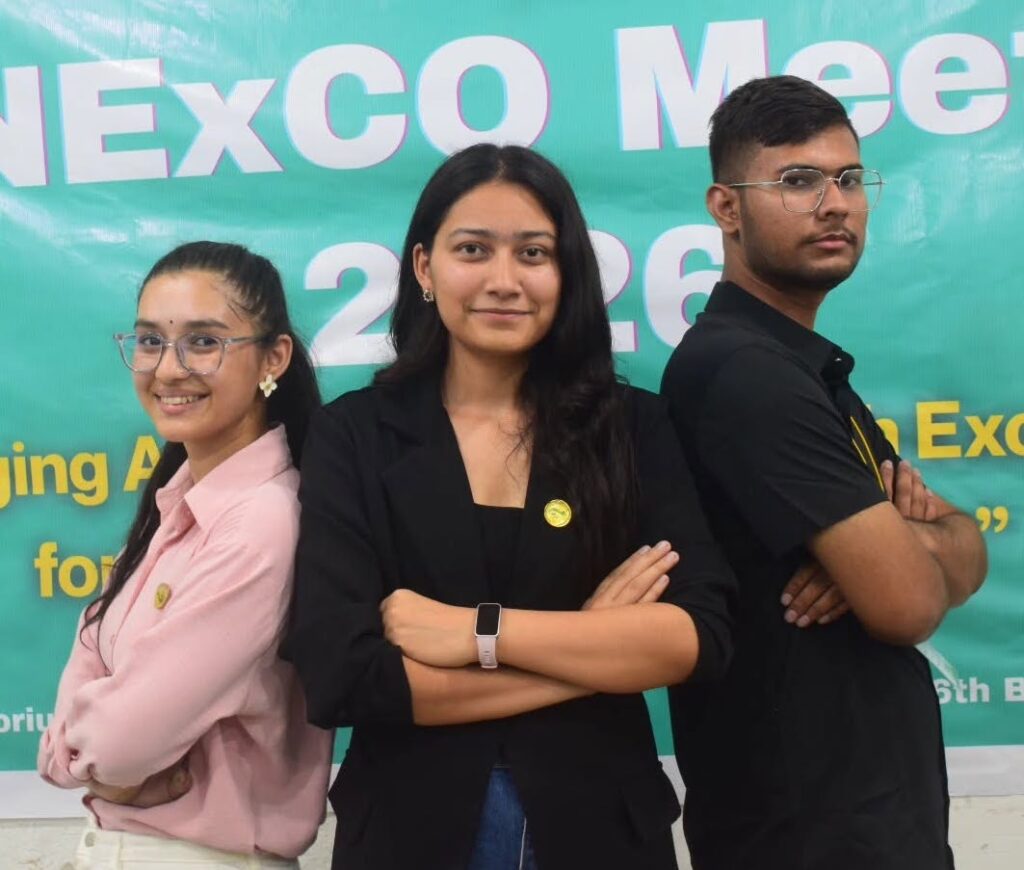
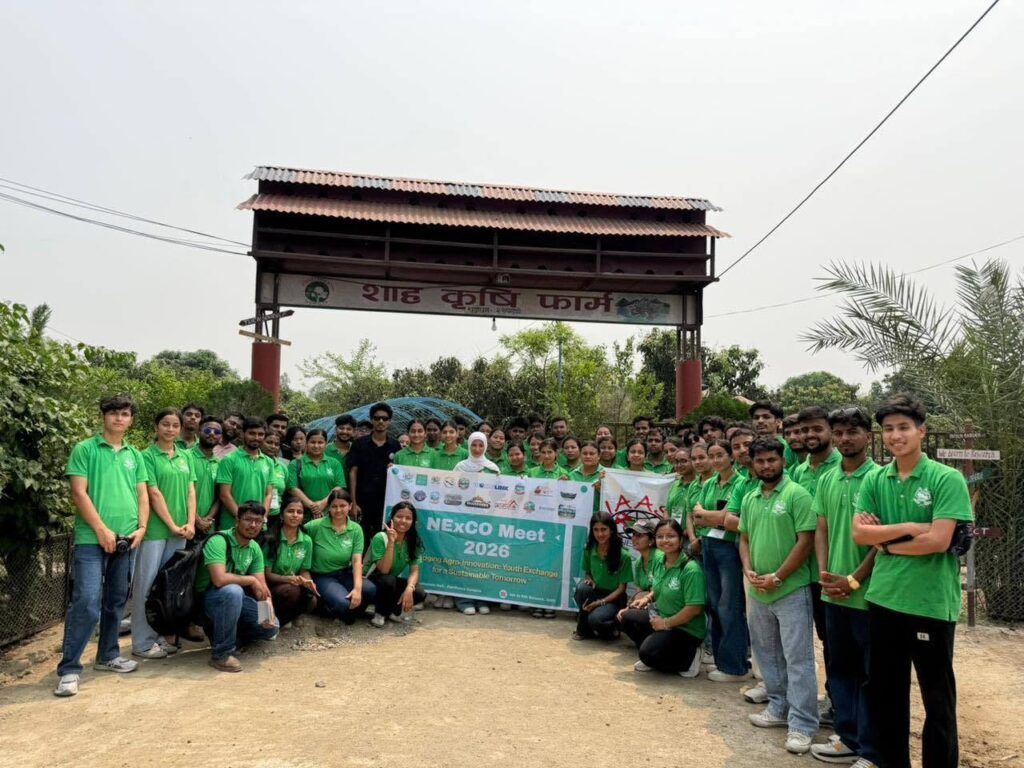
The impact we hope to create is multidimensional. Environmentally, the project can reduce the burning of crop residues, leading to cleaner air and healthier soil. From a health perspective, it introduces a locally produced alternative to refined sugar. Economically, it creates additional income opportunities for maize farmers who can now sell cornstalks that previously had no value. Socially, the project places strong emphasis on women’s empowerment by involving local women’s groups in business operations and decision-making. We believe that sustainable development is only possible when women are not just participants but leaders.
Our project focus on youth engagement strongly. Nepal faces a growing challenge of youth migration, with many young people leaving their communities in search of opportunities elsewhere. Through this initiative, we aim to involve both members of our organization and local youth from Gulmi in production, marketing, and management activities. By creating local opportunities, we hope to encourage young people to see potential within their own communities and become agents of change.
To move this idea forward, we have begun discussions with Resunga Municipality as a fund source. We are also working to build partnerships that can help us strengthen the project’s technical and financial sustainability. Our vision is to create a model that can eventually be replicated in other maize-producing regions of Nepal.
What motivates me most is my journey with IAAS LC Paklihawa. When I first joined the organization, I took on project work as a responsibility. Over time, as I worked closely with communities, farmers, and fellow youth, that responsibility gradually turned into a passion. Through different projects, I realized that even small ideas can create meaningful change when they address real community needs. This inspired me to bring that experience back to my birthplace, Gulmi, and work on a solution that could benefit local farmers, empower women, and create opportunities for youth. For me, this project is not just about producing jaggery it is about giving back to the community that shaped me.
My journey with this project has taught me that leadership is not about having all the answers. It is about listening to communities, understanding their challenges, and working together to create solutions. I am committed to continue this work and transform simple ideas into lasting impact for the people of Gulmi.