

From Heartbreak to Action: How One Young Woman is Fighting for Clean Water
By Maryam Liaquat, Founder of EcoRise
When I was younger I never imagined that something as ordinary as water could determine the difference between health and severe illness. That reality became painfully clear when my 3-year-old cousin fell seriously ill due to contaminated water and poor sanitation in our community.
It began with symptoms that seemed manageable at first, fever, vomiting, and weakness. But within days his condition worsened rapidly. He became dehydrated and unable to eat properly and repeated hospital visits became necessary. The diagnosis confirmed what we feared, a waterborne disease caused by unsafe drinking water. Watching a child suffer for something so preventable left a deep impact on me. It made me realize that clean water is not just a basic need, it is a matter of survival.
That experience changed the way I see the world around me. I started noticing how common this issue actually is. Families in my community were repeatedly facing similar problems, children getting sick, parents spending their limited income on treatment, and people relying on unsafe water sources because they had no alternative. What I once thought was an isolated incident was actually part of a much larger crisis.
My cousin eventually recovered but I could not forget what had happened. That moment became the turning point in my life. I decided I could not stay a passive observer. I needed to act.
This motivation led me to found Ecorise, a youth led initiative focused on clean water access, sanitation, and climate awareness. The goal was simple but urgent, reduce preventable illness caused by unsafe water and poor hygiene practices. Through this initiative I began working on both immediate relief and long term awareness.
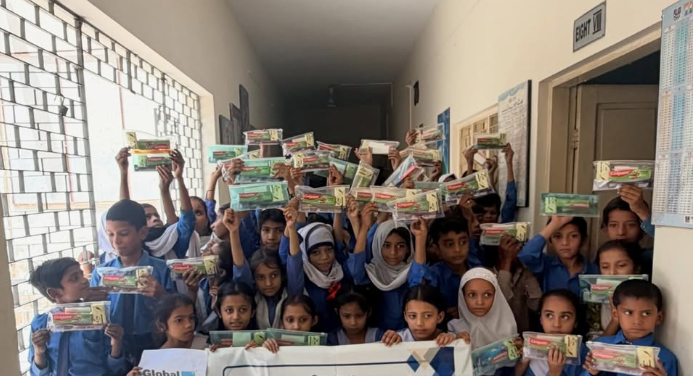
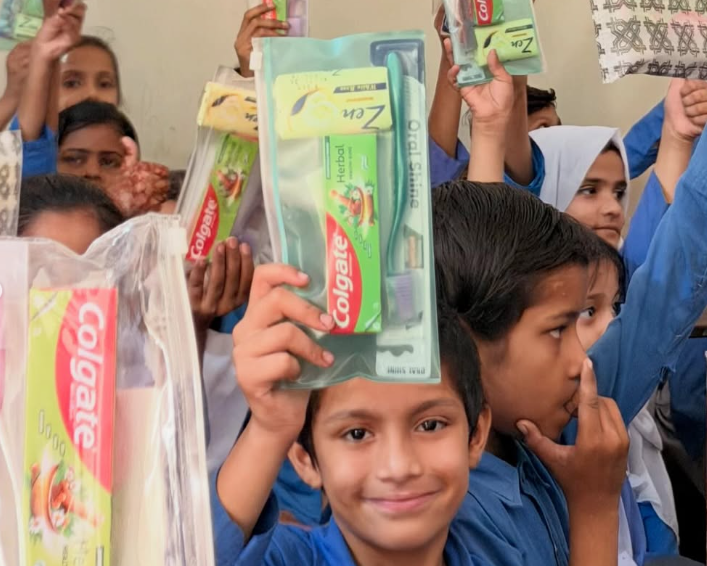
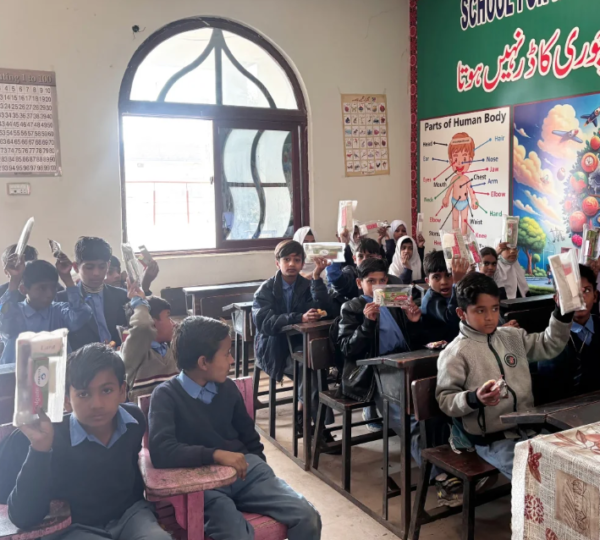
So far through Ecorise we have distributed over 100 sanitation kits containing essential hygiene items to families in need. Alongside this our water ultra filtration technology has helped filter approximately 10,000 litres of water providing safer drinking water to communities that previously had limited or no access to clean sources. As a result of combined awareness sessions and filtration efforts we have observed around a 20 percent decrease in waterborne illnesses in the communities we worked with. In total our work has directly and indirectly reached around 500 people so far.
Our filtration technology is lab tested and straw based, making it easy to use, affordable, and accessible for communities with limited resources. It does not require electricity, which makes it especially effective in rural and underserved areas where infrastructure is unreliable or unavailable. This design ensures that clean water access is not dependent on complex systems but can be achieved through a simple and scalable solution.
However beyond numbers the real impact is in the change in behavior and awareness. People have started understanding the importance of safe water practices handwashing and hygiene education. Children who once fell sick repeatedly are now more aware of how to protect their health. Families are beginning to take preventive steps instead of only reacting to illness.
Alongside field work I have also focused on education and innovation. I believe that solving a crisis like this requires both awareness and practical solutions. That is why I continue exploring low cost filtration systems and community based interventions that can be scaled to reach more vulnerable populations. I also conduct WASH awareness sessions to ensure that knowledge spreads alongside technology.
What drives me forward is the memory of my cousin’s suffering and the realization that it could have been prevented. That experience turned my frustration into purpose. It taught me that change does not come from waiting for systems to improve, it comes from taking initiative even with limited resources.
Today my commitment to Ecorise is rooted in a simple goal, to ensure that no child has to suffer from a preventable waterborne disease. I want to continue expanding our reach improving our solutions and empowering communities to take control of their health and environment. For me this is not just a project, it is a responsibility shaped by experience, empathy, and the belief that clean water is a right every human deserves.