

Moving Philanthropy from Funding Programs to Funding Ownership
By Christine Dixon, Boston Explorers & Isaac Cudjoe, Peace First
There is a question that keeps coming up in our work, from different angles and different geographies, but landing in the same place: what does it actually mean to fund young people, not programs?
We come to this question from different contexts. One of us works with young people exploring their cities, using place as a lens for discovery. The other works with young people in more than 160 countries who are using place as a platform for change. But we keep arriving at the same frustration. Philanthropy has built sophisticated infrastructure around youth programming. It has been slower to build infrastructure around youth ownership.
This is our attempt to think through what that shift would require, and what it looks like when it’s already happening.
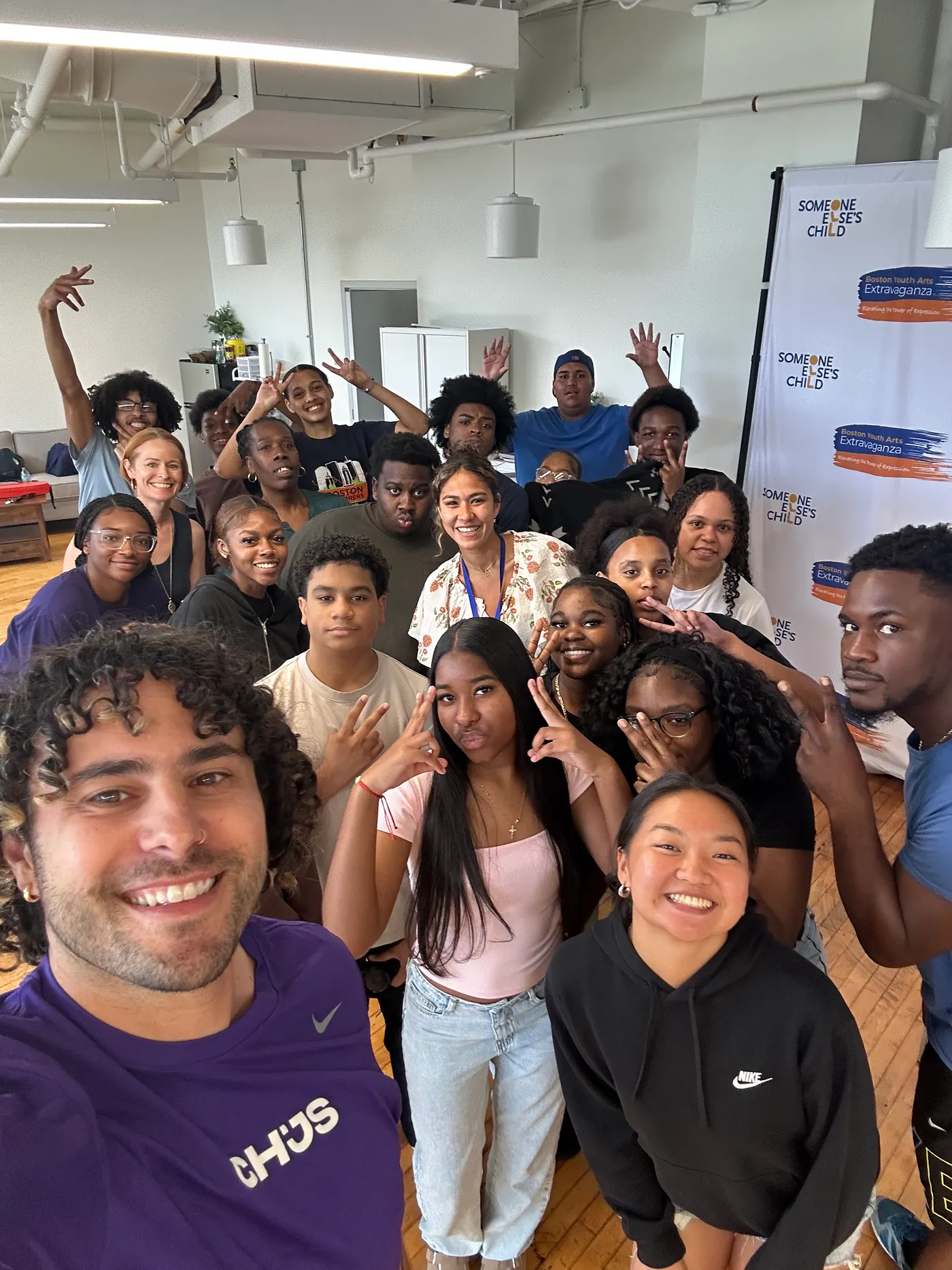
Christine on place:
For me, leading Boston Explorers, the shift started close to home.
I remember when we let my son, Nate, start taking the MBTA on his own the summer before he started middle school. Something shifted for him in his independence, his learning, and his experience of the city of Boston as a place where he lived and could make his own. This is especially important for Black and Brown youth in Boston. I’ve lived in this city for close to 30 years, raising my son here, connecting with other parents doing the same, all of us with different levels of access, different language backgrounds, and different challenges and experiences. My work has always been alongside children and families, through community service organizations, learning from and working with incredible city leaders, activists, and changemakers who have spent their lives pushing for something better for Boston and its residents.
The work at Boston Explorers is in youth development, but it’s rooted in that same belief. Young people already have a place in these spaces. We just don’t always give them the chance to feel that for themselves, and we don’t listen to what they have to say.
During the summer at Boston Explorers, our young people are jumping on the bus and train, getting out to the Harbor Islands, walking the Freedom Trail, the Rose Kennedy Greenway, or the Harborwalk, and experiencing the museums that the city has to offer. They are trying new things, but it’s not just about exposure. They begin to feel like they belong in these spaces and that these places are for them. And from that, you can see the confidence grow. You see relationships forming, as young people experience this together, older youth stepping into leadership and mentorship roles, younger ones looking up to them.
During the school year, our leadership and community-rooted programming creates space for young people to explore social issues and philanthropy structures, to talk honestly about equity and disparity, and to understand how nonprofits exist to respond to challenges in their communities. This is where young people are actually making real decisions. They review organizations, they have the conversations, and they allocate funding. Young people from Roxbury, Dorchester, and other vibrant neighborhoods, places with deep history and strong communities but less traditional investment, are not just the recipients of programming. They are deciding what should be funded, in their own neighborhoods and beyond, based on what they see, what they value, and what they believe will make a difference.
By the end of the summer, the youth have built real relationships that carry across schools and neighborhoods. They’ve had moments where they felt powerful, seen, and like their voice mattered. They carry those experiences with them. They may talk about the city differently and share it with others. And you can see it in how they move through Boston. It feels like they know they belong there.
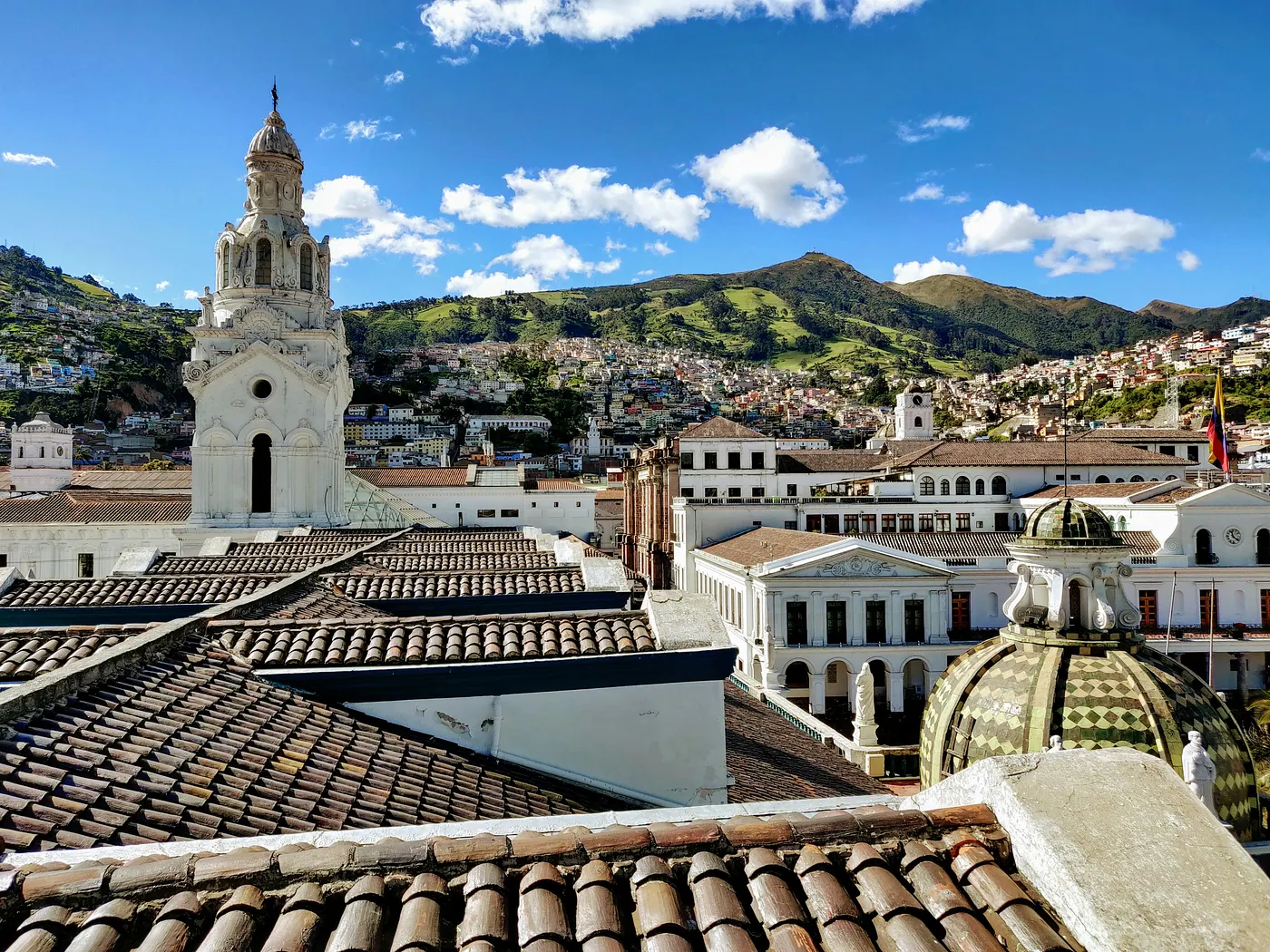
From where I sit at Peace First, I see the same truth playing out on a global scale.
When we first encountered Yairy Vega Muenala’s work, we were struck immediately by the clarity of her vision. An Indigenous woman from Ecuador, she had spent years watching Indigenous women be left out of the rooms where decisions get made about their communities. She didn’t study this from the outside. She lived it. And her response was practical: a Women’s Leadership Camp for rural Indigenous women, a workshop series called “Footprints of Power” focused on political participation, and a role as youth advisor to the European Union in Ecuador. None of this came from a program someone designed for her. It came from knowing exactly what her community was missing because she was part of it.
We interviewed Yairy for our Moments to Movements podcast and later supported her work through a development grant. She has since completed a Master’s degree with Distinction in Global Governance and Diplomacy at the University of Leeds. We take no credit for any of that. What we tried to do was recognize what was already there and resource it.
That is what proximity as expertise actually looks like. Not a consultant who has studied the problem, but someone for whom the problem is personal, and whose solution is grounded in that.
At Peace First, we get to work with young people in more than 160 countries who carry that same proximity. They are building organizations, changing laws, shifting how their communities talk about who counts and who gets to lead. What they consistently run into is a funding ecosystem that wants to support youth leadership in theory but struggles to resource it in practice. Flexible, trust-based money that says “you know your community, here’s what you need” is still rare.
The question I keep returning to is: what would it mean for philanthropy to fund the Yairys of the world the way it funds established institutions? Not to build programs around young people, but to put real resources behind the plans they have already made. That is not a values question anymore. It is an operational one.
Both of us on technology
There is a paradox in how young people experience the world right now. A teenager in Liberia can follow a climate protest in Berlin in real time. A young woman in Ecuador can connect with Indigenous rights advocates across three continents before lunch. The global feels immediate. The local, somehow, does not.
Part of what we are both exploring is whether technology can reverse that. Not by replacing the physical experience of place, the walk through a neighborhood, the conversation with a neighbor, the moment a young person realizes their city is actually theirs, but by making it easier to find the entry points. To see who else is working on the same block, the same issue, the same question.
The tools we are building are not meant to mediate youth experience. They are meant to lower the threshold for showing up. Because the research, and our own experience, keep pointing to the same thing: young people do not disengage from their communities because they don’t care. They disengage because no one has made it clear that there is a role for them.
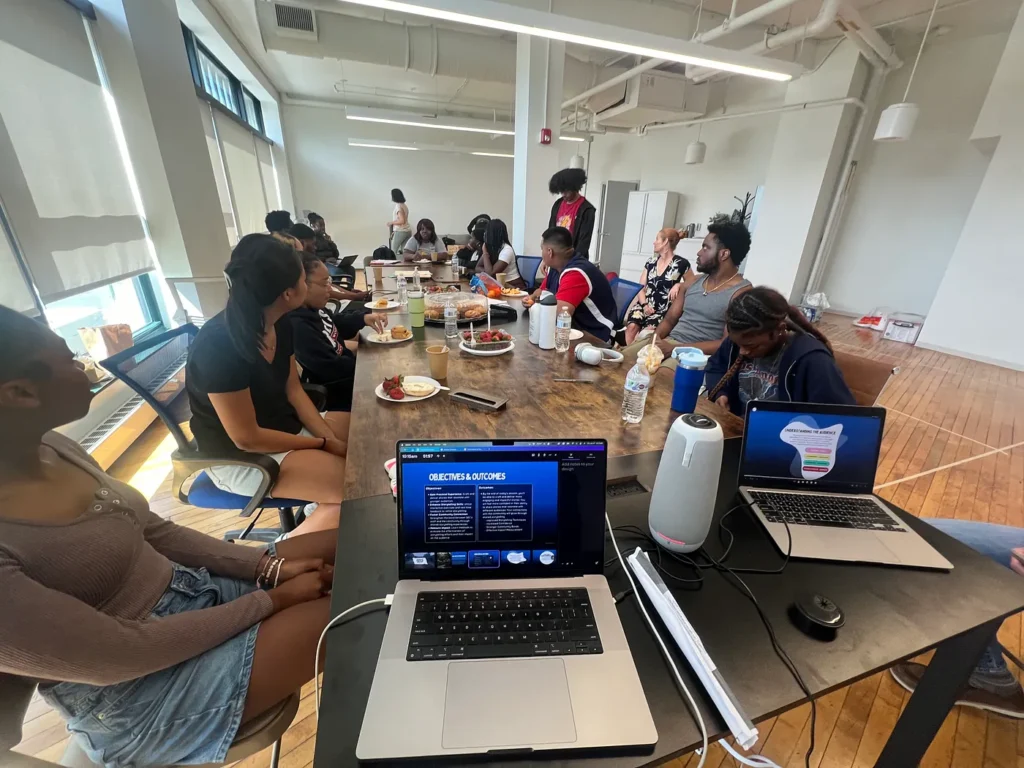
Both of us on what comes next
Nate figured something out the summer he started taking the MBTA on his own. Yairy figured something out growing up in a community where the decisions were always made by someone else. What they figured out is the same thing, from opposite angles: that place becomes yours when you are trusted to inhabit it fully.
Philanthropy has a real role to play in that. Not as the architect of youth experience, but as the funder of the conditions that make ownership possible. That means trusting young people with flexible resources. It means funding organizations that are proximate to the communities they serve, led by people who carry that proximity in their own lives. It means measuring success not just by outputs but by whether young people feel, at the end, that the place is more theirs than it was before.
We don’t think this is idealistic. We think it is operational. The young people in our networks are not waiting to be invited. They are already working. The question for philanthropy is whether it will resource what is already happening, or continue designing around it.