

Charity as a Starting Point, Development as a Commitment
In India, social work has long been understood as charity. We grow up learning about daan (selfless), seva (service), and the moral responsibility to give. During festivals, families donate food and clothes. In times of disaster, communities mobilize funds overnight. Temples, mosques, and gurudwaras regularly distribute meals. Giving is deeply embedded in our culture, and this generosity is one of our greatest strengths as a society.
For a long time, I also saw social impact through this lens.
When I first began engaging in community work during my college years, I participated in awareness campaigns and social initiatives, believing that contribution itself was the goal. Later, as I took on leadership roles, including heading an inclusive job fair for persons with disabilities where over 600 individuals secured employment, I began observing a deeper pattern. One-time efforts created immediate results, but sustained planning and follow-up created lasting change.
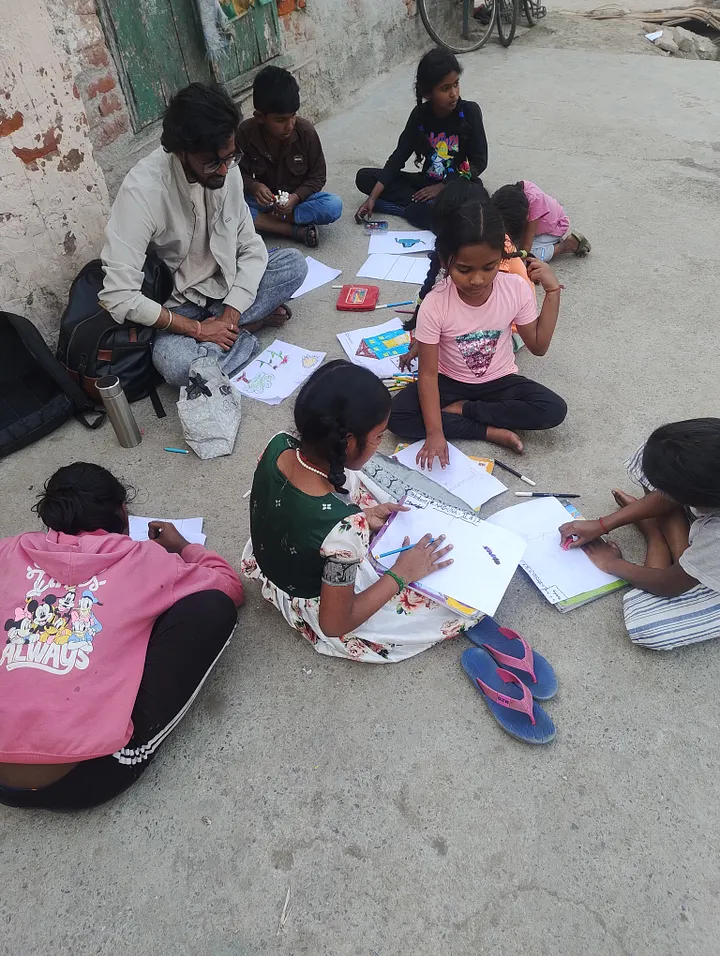
This realization became even clearer when I co-founded and began working closely with children from migrant families in underserved settlements in Delhi. In the early days, our instinct was simple: help wherever there was a visible need. If children lacked notebooks, we arranged notebooks. If they needed stationery or basic materials, we tried to provide them. At that stage, our work resembled traditional charity responding to gaps with resources.
But as weeks turned into months, something shifted in my understanding.
I noticed that despite receiving occasional donations from various groups in the past, many children still struggled with confidence, communication, and self-belief. Some were enrolled in school but hesitated to speak in class. Others attended irregularly because they did not feel connected to learning. It became evident that the deeper challenges were not only material they were emotional and structural.
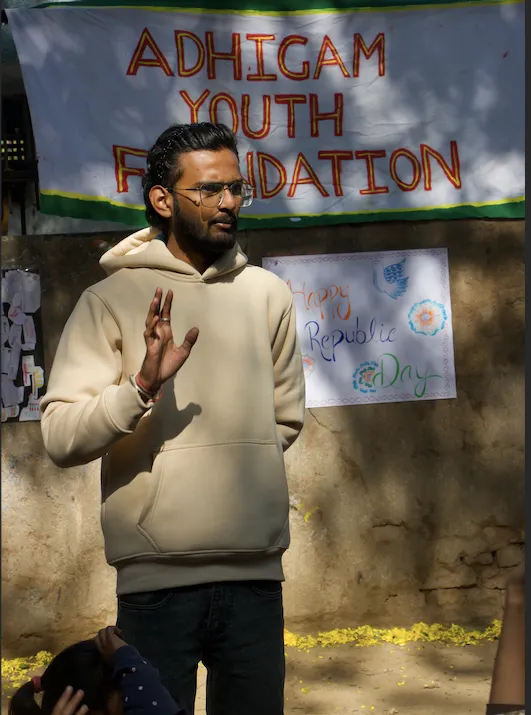
One incident stands out clearly in my mind. A young student who attended our sessions rarely spoke. Even when asked simple questions, the child would look down and avoid eye contact. Initially, I assumed the issue was academic difficulty. But through theatre-based activities and English-speaking circles that we conducted consistently every week, the child slowly began participating. Months later, during a small group activity, the same student volunteered to present in front of peers. That moment was transformative not just for the child, but for me.
It was then I realized: what created that shift was not a one-time act of charity. It was sustained engagement.
In India, because social work has traditionally been seen as charity, it often becomes event-based. We organize donation drives. We distribute materials. We measure impact in numbers how many meals served, how many kits distributed, how many beneficiaries reached. While these efforts are important and sometimes lifesaving, they do not always address root causes. Poverty, educational inequality, and lack of opportunity are systemic issues. They require time, trust, and consistent effort.
When charity is disconnected from long-term development, it risks becoming transactional. The giver feels fulfilled, and the receiver receives temporary relief. But the cycle continues.
Through my journey, I came to believe that charity should not end at relief. It should begin there. Charity can be the entry point into development. It builds initial trust and addresses urgent needs. But if we stop there, we limit our impact.
If more people understood charity as part of long-term development, several things would change.
First, we would prioritize consistency over visibility. Instead of one-day drives that generate social media attention, more individuals would commit to weekly volunteering, mentorship, or skill-building initiatives. Change in education, confidence, and leadership takes time. It cannot be compressed into a single event.
Second, our mindset would shift from “helping” to “partnering.” Communities would not be seen merely as beneficiaries but as collaborators. In our sessions, we began co-creating activities with children instead of designing everything for them. This small shift increased participation and ownership dramatically. Development thrives on agency.
Third, funding and support structures would evolve. Long-term programs often struggle because they do not produce instant results. But if charity were viewed as the starting point of a developmental journey, more stakeholders would be willing to invest patiently.
At the same time, this mindset shift also changes how we frame engagement with volunteers and donors. When we first began involving volunteers, we realized that presenting their role as a one-time act of charity led to short-term participation. Many would join for a drive or a single event, but sustained engagement was rare. However, when we reframed volunteering as contributing to long-term development as becoming mentors, consistent facilitators, and co-creators in a child’s growth journey, commitment increased significantly. Volunteers began to feel ownership rather than obligation.
The same principle applies to donors. People are more willing to invest when they understand that their contribution supports sustained impact rather than a single distribution event. A notebook distribution may create temporary relief, but structured English classes, theatre workshops, and mentorship programs create lasting transformation. When donors see themselves as partners in a developmental journey rather than sponsors of a moment, their support becomes deeper and more consistent.
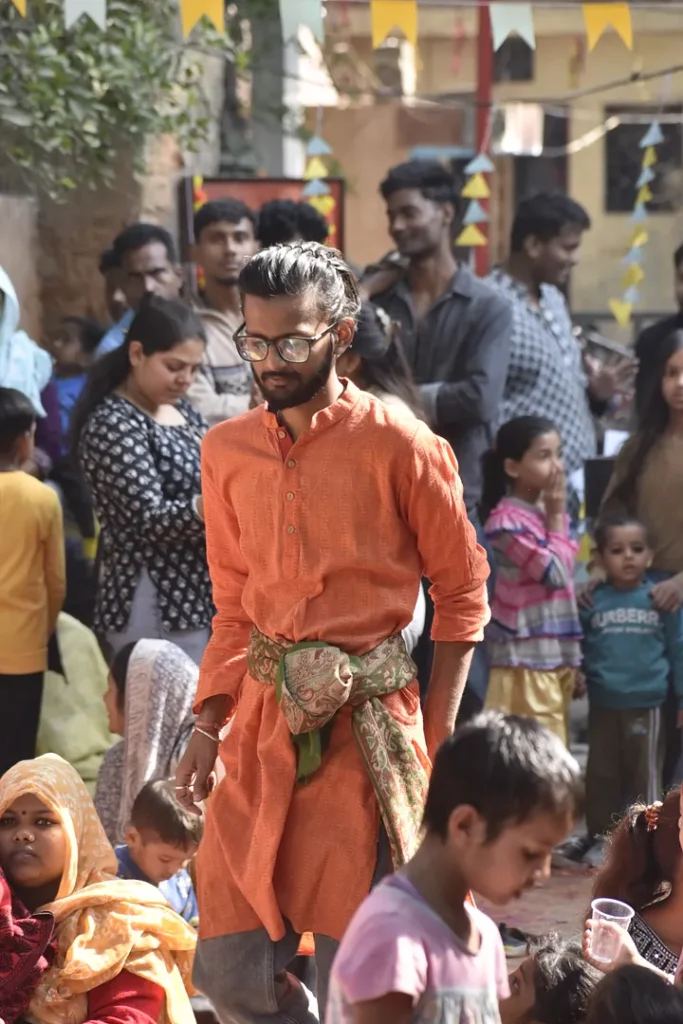
This shift from charity as an event to charity as an entry point into development does not only transform communities. It transforms the ecosystem of support around them.
My own conclusion emerged not from theory, but from lived experience. I have seen how consistent English classes improve articulation over months. I have seen how creative workshops unlock self-expression that was once suppressed. I have seen how mentorship changes how a child perceives their own future.
Charity is compassion in action. Development is compassion sustained with intention and structure.
India does not lack generosity. What we need is a shift in how we channel it. If every act of giving asked, “How does this contribute to long-term change?” we would move from cycles of relief to pathways of resilience.
Today, when I reflect on my journey, I no longer see charity and development as separate. Charity is the spark. Development is the fire that continues to burn long after the first act of kindness.
And real transformation happens when we choose to keep showing up.